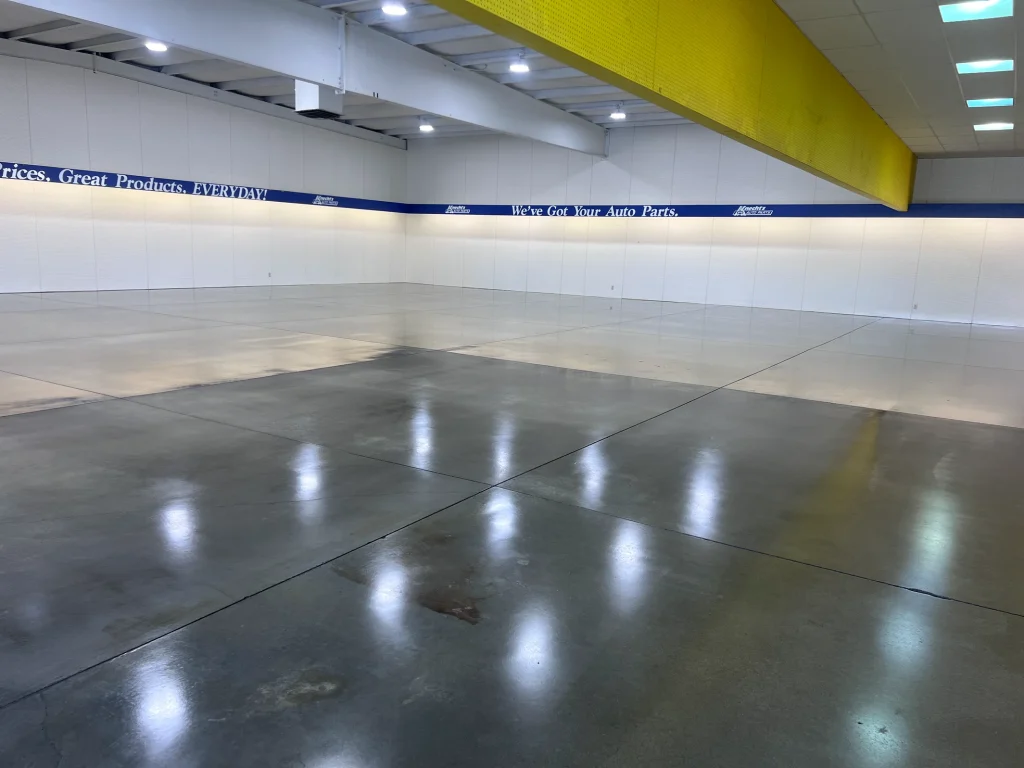
Concrete floors have come a long way from plain gray surfaces. Today, epoxy flooring offers a practical way to protect concrete while improving its appearance. Whether you’re updating a residential garage, finishing a basement, or installing flooring in a commercial building, understanding the types of epoxy floors available can help you make an informed decision.
Not every epoxy system is designed for the same purpose. Some prioritize decorative finishes, while others are engineered for heavy traffic, chemical resistance, or moisture protection. Choosing the right system depends on how the space will be used, the condition of the existing concrete, and your long-term maintenance goals.
This guide explains the different types of epoxy flooring, outlines the advantages of each system, and answers common questions about types of epoxy floor coating so you can confidently select the right solution for your property.
What Is Epoxy Flooring?
Epoxy flooring is a protective coating system created by combining epoxy resin with a hardener. Once the two components are mixed, they chemically react and cure into a hard, durable surface that bonds tightly to properly prepared concrete.
Unlike standard floor paint, epoxy forms a seamless protective layer that resists wear, stains, moisture, and impacts. The result is a floor that looks clean, lasts for years, and requires very little maintenance.
Epoxy flooring is commonly used in:
- Residential garages
- Basements
- Warehouses
- Retail stores
- Restaurants
- Manufacturing facilities
- Automotive shops
- Medical offices
Many property owners also pair epoxy coatings with Polished Concrete or decorative finishes depending on the appearance they want to achieve.
Are There Different Types of Epoxy Floor Coatings?
A common question homeowners and business owners ask is, “Are there different types of epoxy floor coatings?”
Yes. Several epoxy flooring systems are available, each designed for different environments and performance requirements.
Some coatings are intended for decorative applications, while others are built to withstand chemicals, heavy machinery, moisture, or constant foot traffic.
The most common types of epoxy floor coating include:
- Self-leveling epoxy
- Epoxy flake flooring
- Metallic epoxy
- Quartz-filled epoxy
- Mortar epoxy
- Solid color epoxy
- Anti-static epoxy
- Moisture-mitigating epoxy systems
Each option offers its own combination of durability, appearance, and maintenance requirements.
Different Types of Epoxy Flooring Explained
If you’re wondering about the different types of epoxy flooring, here’s a closer look at the most popular systems.
Self-Leveling Epoxy Floors
Self-leveling epoxy creates a smooth, seamless finish that automatically fills minor imperfections in concrete.
This flooring system works well in:
- Offices
- Retail stores
- Medical facilities
- Residential interiors
- Basements
Benefits include:
- Smooth finish
- Easy cleaning
- Excellent durability
- Bright appearance
- Long service life
Its seamless surface helps prevent dirt and debris from collecting in cracks or joints.
Epoxy Flake Flooring
Epoxy flake flooring combines decorative vinyl flakes with epoxy coatings to create texture, depth, and improved slip resistance.
This system is commonly installed in:
- Residential garages
- Fire stations
- Locker rooms
- Workshops
- Showrooms
Advantages include:
- Decorative appearance
- Added traction
- Excellent durability
- Hides dust and dirt
- Wide variety of color combinations
If you’re considering this option for your property, learn more about our Epoxy Flake Flooring solutions.
Metallic Epoxy Flooring
Metallic epoxy uses special metallic pigments suspended within clear epoxy to create dramatic visual effects.
Every floor develops its own unique pattern during installation.
Metallic epoxy is popular in:
- Luxury homes
- Retail stores
- Restaurants
- Salons
- Office spaces
Benefits include:
- High-gloss finish
- One-of-a-kind appearance
- Seamless surface
- Excellent durability
- Easy maintenance
For homeowners or businesses looking for a bold flooring design, our Metallic Epoxy systems provide an attractive solution.
Quartz-Filled Epoxy Flooring
Quartz epoxy combines colored quartz aggregate with epoxy resin to produce a decorative floor with additional texture.
This system is frequently used in:
- Commercial kitchens
- Schools
- Locker rooms
- Healthcare facilities
- Public restrooms
Benefits include:
- Slip resistance
- Attractive appearance
- Chemical resistance
- Durable finish
Quartz flooring performs well in spaces where safety and durability are equally important.
Mortar Epoxy Flooring
Mortar epoxy is one of the strongest epoxy flooring systems available.
It combines epoxy resin with graded aggregates to produce a floor capable of handling heavy industrial use.
Typical applications include:
- Manufacturing plants
- Warehouses
- Equipment shops
- Industrial facilities
Advantages include:
- Outstanding impact resistance
- High load capacity
- Long service life
- Excellent durability
This flooring system is often selected for facilities with heavy machinery or frequent forklift traffic.
Solid Color Epoxy Floors
Solid color epoxy creates a clean, uniform appearance without decorative flakes or metallic pigments.
It is commonly used in:
- Warehouses
- Utility rooms
- Commercial buildings
- Mechanical rooms
- Residential garages
Benefits include:
- Professional appearance
- Easy maintenance
- Durable protection
- Cost-effective installation
Its simple appearance makes it a practical option for many commercial environments.
Anti-Static Epoxy Flooring
Some industries require flooring that reduces static electricity.
Anti-static epoxy flooring is commonly installed in:
- Data centers
- Electronics manufacturing
- Laboratories
- Pharmaceutical facilities
This specialized system protects sensitive equipment while maintaining the durability associated with epoxy flooring.
Moisture-Mitigation Epoxy Systems
Concrete slabs sometimes contain excessive moisture that can interfere with flooring installation.
Moisture-mitigation systems create a protective barrier that helps prevent:
- Bubbling
- Delamination
- Adhesion failure
- Moisture-related damage
Professional moisture testing should always be completed before coating installation.
What Are the Different Types of Epoxy Flooring Used For?
Many property owners ask, “What are the different types of epoxy flooring used for?”
The answer depends on the intended application.
| Area | Recommended Epoxy System |
| Garage | Epoxy flake flooring or solid color epoxy |
| Basement | Moisture-resistant epoxy |
| Warehouse | Self-leveling or mortar epoxy |
| Commercial kitchen | Quartz epoxy |
| Retail showroom | Metallic epoxy |
| Manufacturing facility | Mortar epoxy |
| Office | Self-leveling epoxy |
Selecting the right flooring system helps maximize durability while minimizing maintenance over time.
Choosing the Right Type of Epoxy for a Garage Floor
Garage floors experience constant vehicle traffic, chemical exposure, oil spills, and heavy equipment.
For many homeowners, decorative flake epoxy offers an excellent combination of durability, appearance, and traction. It also hides dirt better than solid color coatings and provides a textured surface that helps improve slip resistance.
Metallic epoxy can also be an attractive choice for homeowners who want a distinctive appearance, while commercial-grade systems may be appropriate for garages used as workshops.
If you’re planning to upgrade your garage, our Garage Floor Coatings provide long-lasting protection and improved curb appeal.
How Long Do Epoxy Floors Last?
The lifespan of an epoxy floor depends on several factors, including:
- Surface preparation
- Installation quality
- Traffic levels
- Maintenance
- Environmental conditions
Typical service life includes:
- Residential garages: 10 to 20 years
- Commercial buildings: 8 to 15 years
- Industrial facilities: 5 to 10 years before maintenance coatings are recommended
Routine cleaning and periodic maintenance help maximize the life of any epoxy flooring system.
Why Surface Preparation Is Essential
Even the highest-quality epoxy coating depends on proper surface preparation.
Before installation, professionals typically perform:
- Diamond grinding
- Crack repair
- Surface profiling
- Moisture testing
- Thorough cleaning
Without proper preparation, coatings may peel, bubble, or lose adhesion over time.
Our Concrete Surface Preparation services help create the ideal foundation for a long-lasting flooring system. If damaged areas are present before coating, Concrete Repair may also be necessary to restore the slab.
Residential Applications for Epoxy Flooring
Epoxy flooring is a practical solution for many areas around the home.
Garage Floors
Garage coatings resist:
- Tire marks
- Oil stains
- Road salt
- Abrasion
- Everyday wear
Many homeowners choose Garage Floor Coatings to improve both appearance and durability.
Basement Floors
Basements often benefit from epoxy because it creates a clean, moisture-resistant surface that is easy to maintain.
Our Basement Floor Coatings can help transform unfinished concrete into a more functional living space.
Patios and Decorative Spaces
Decorative epoxy and stained concrete systems can enhance covered patios, entryways, and entertainment areas.
If you’re interested in adding color and character to existing concrete, explore our Concrete & Acid Staining services.
Commercial Applications
Businesses often choose epoxy flooring because it performs well under daily use while maintaining a professional appearance.
Common commercial applications include:
- Retail stores
- Restaurants
- Medical offices
- Schools
- Office buildings
- Automotive facilities
Our Commercial Concrete Coatings are designed to provide long-lasting protection while supporting the needs of busy commercial environments.
Industrial Applications
Industrial facilities require flooring systems that withstand demanding conditions.
Industrial epoxy coatings commonly resist:
- Heavy machinery
- Forklift traffic
- Chemical spills
- Abrasion
- Impact damage
Facilities such as manufacturing plants, processing facilities, and warehouses often benefit from Industrial Concrete Coatings or Urethane Cement Flooring depending on their operating conditions.
Maintaining Epoxy Floors
Routine maintenance helps preserve both appearance and performance.
Simple maintenance tips include:
- Sweep regularly.
- Mop using a pH-neutral cleaner.
- Wipe up spills promptly.
- Avoid harsh acidic cleaning products.
- Use protective pads beneath heavy equipment.
- Schedule professional inspections as needed.
With proper care, epoxy flooring can provide many years of dependable service.
When Should an Epoxy Floor Be Recoated?
Although epoxy flooring is durable, periodic recoating may eventually become necessary.
Signs include:
- Reduced gloss
- Surface scratches
- Worn traffic areas
- Minor peeling
- Staining that no longer cleans easily
Addressing these issues early helps maintain the protective qualities of the flooring system.
For projects involving existing polished concrete surfaces, our Polished Concrete Refinishing services can restore their appearance and extend their lifespan.
Choosing an Experienced Epoxy Flooring Contractor
Installing epoxy flooring requires more than simply applying a coating.
A qualified contractor should provide:
- Thorough concrete evaluation
- Professional surface preparation
- Quality materials
- Skilled installation
- Clear communication
- Reliable workmanship
Working with an experienced contractor helps ensure your flooring system performs as intended for years to come.
Conclusion
Understanding the various types of epoxy floors makes it easier to choose a flooring system that fits your property’s needs. Whether you’re comparing the different types of epoxy flooring, learning about the available types of epoxy floor coating, or asking what are the different types of epoxy flooring, each option offers unique advantages based on the environment and level of use. From decorative metallic finishes and flake systems to industrial-grade epoxy solutions, selecting the right coating can improve durability, simplify maintenance, and enhance the appearance of your concrete surfaces.
At Premier Polished Concrete LLC, we provide professional concrete coating solutions for residential and commercial properties throughout Prineville, OR. With more than 20 years of experience, we stay involved in every project from start to finish because quality workmanship and lasting relationships matter to us. Whether you need a garage floor coating, decorative epoxy system, polished concrete, or a large-scale commercial flooring solution, we’re ready to help. Call (503) 841-9383 today to schedule your estimate before our upcoming project schedule fills up.